Halal-Certified Company
Guide to Planning a Halal-Certified Event or Corporate Gathering in Singapore
May 19, 2026 /
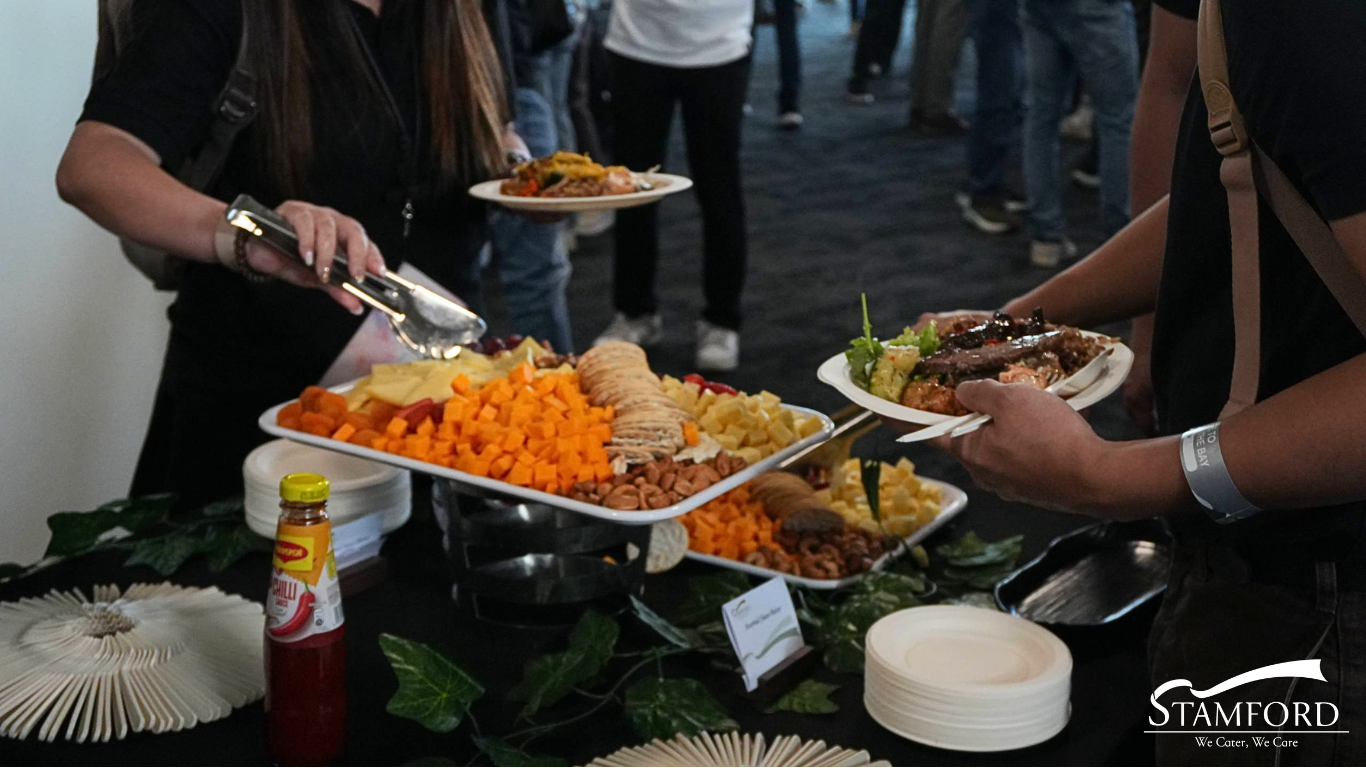
Planning a corporate event in Singapore often involves more than just choosing a venue and sending invites. Food is one of the most important parts of the experience, especially in a diverse workplace where dietary requirements matter. This is where halal-certified catering becomes essential for many organisations.
What Halal-Certified Catering Means in Singapore
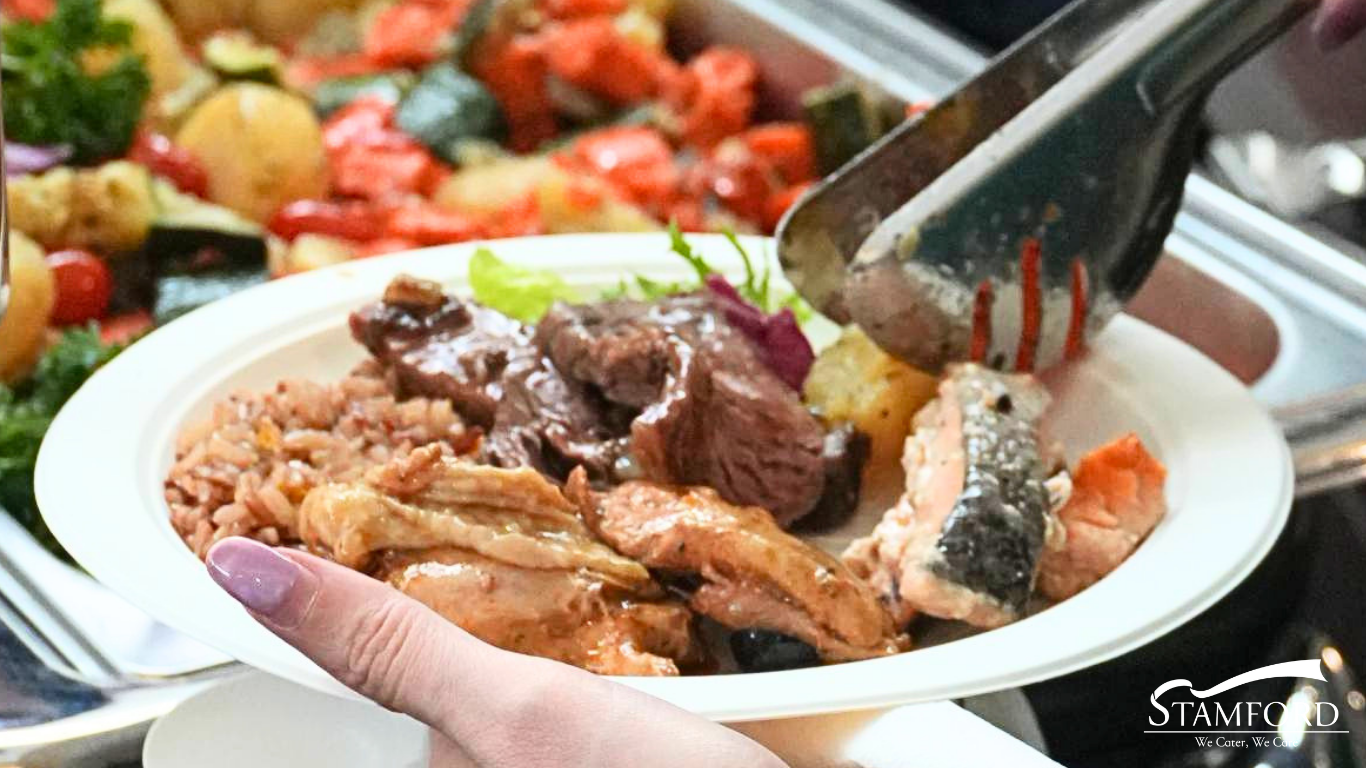
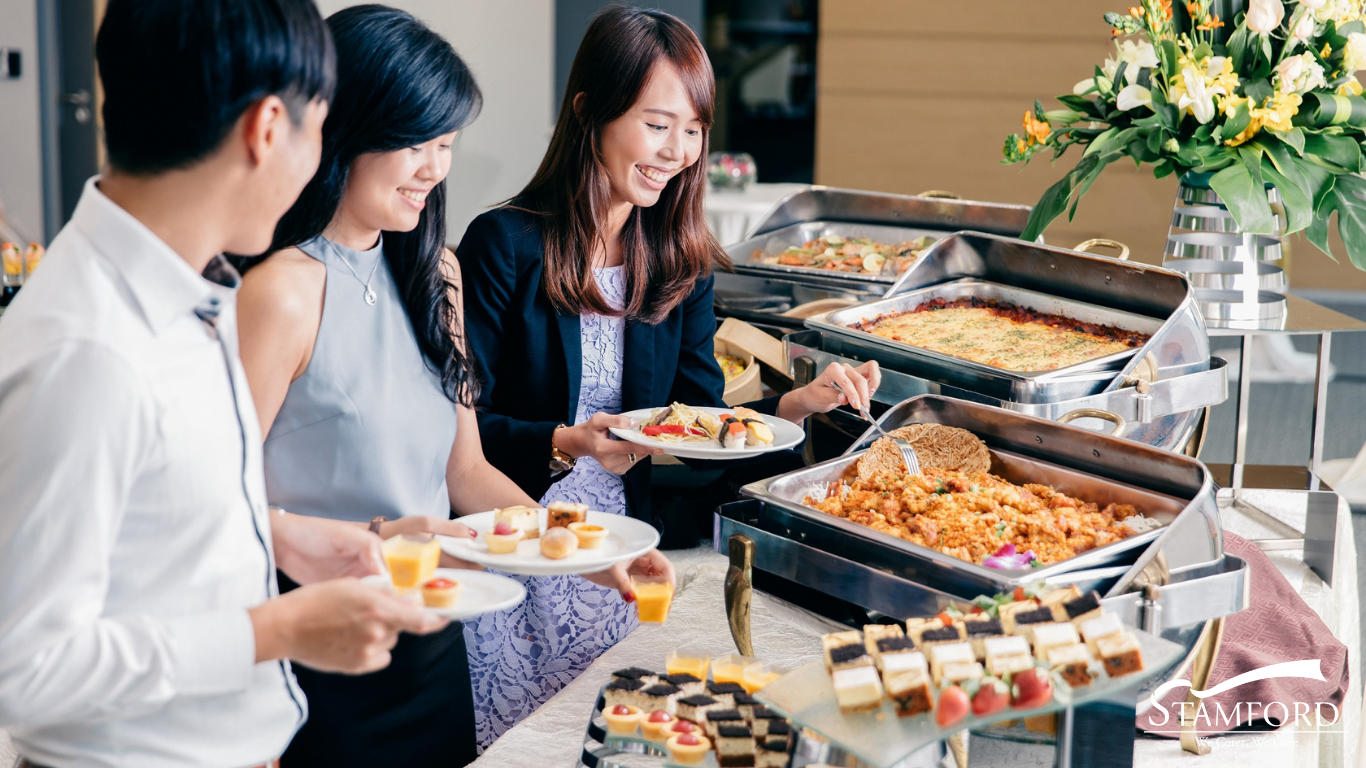
Halal-certified catering refers to food preparation that complies with Islamic dietary laws and is certified by MUIS, Singapore’s Islamic Religious Council. It covers ingredients, preparation methods, and kitchen processes.
It is important to distinguish between halal-certified and halal-friendly catering. Halal-friendly may use halal ingredients but is not certified, while halal-certified caterers follow strict guidelines and audits.
Why Halal Catering is Common for Corporate Events
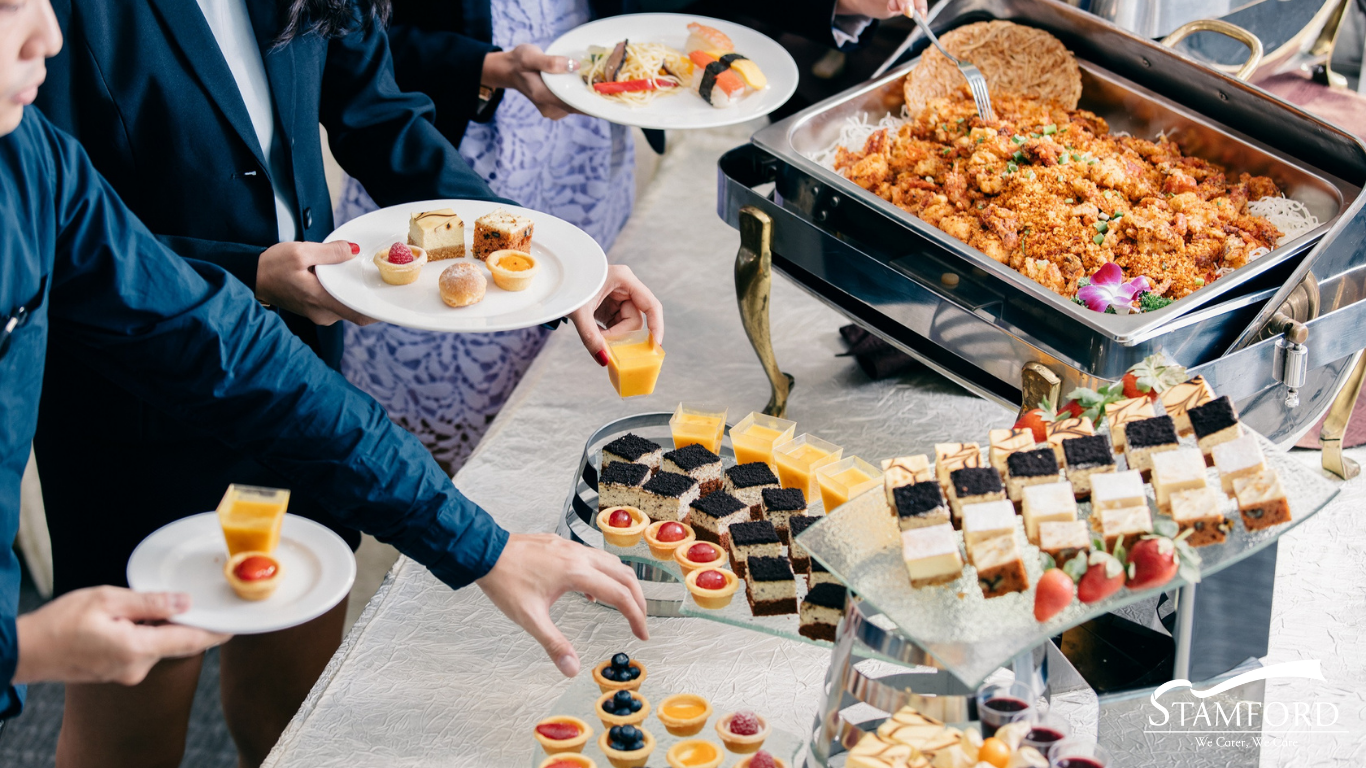
In Singapore’s multicultural workplaces, halal catering is often chosen to simplify planning and ensure inclusivity.
- Corporate seminars and training sessions
- Office celebrations and milestones
- Networking events
- Government and public sector functions
- Client appreciation events
Types of Halal Catering Formats in Singapore
Buffet Catering
Suitable for large gatherings with self-service dining.
Mini Buffet Catering
Ideal for smaller office celebrations and home-style corporate events.
Bento Box Catering
Individually packed meals for structured events such as seminars.
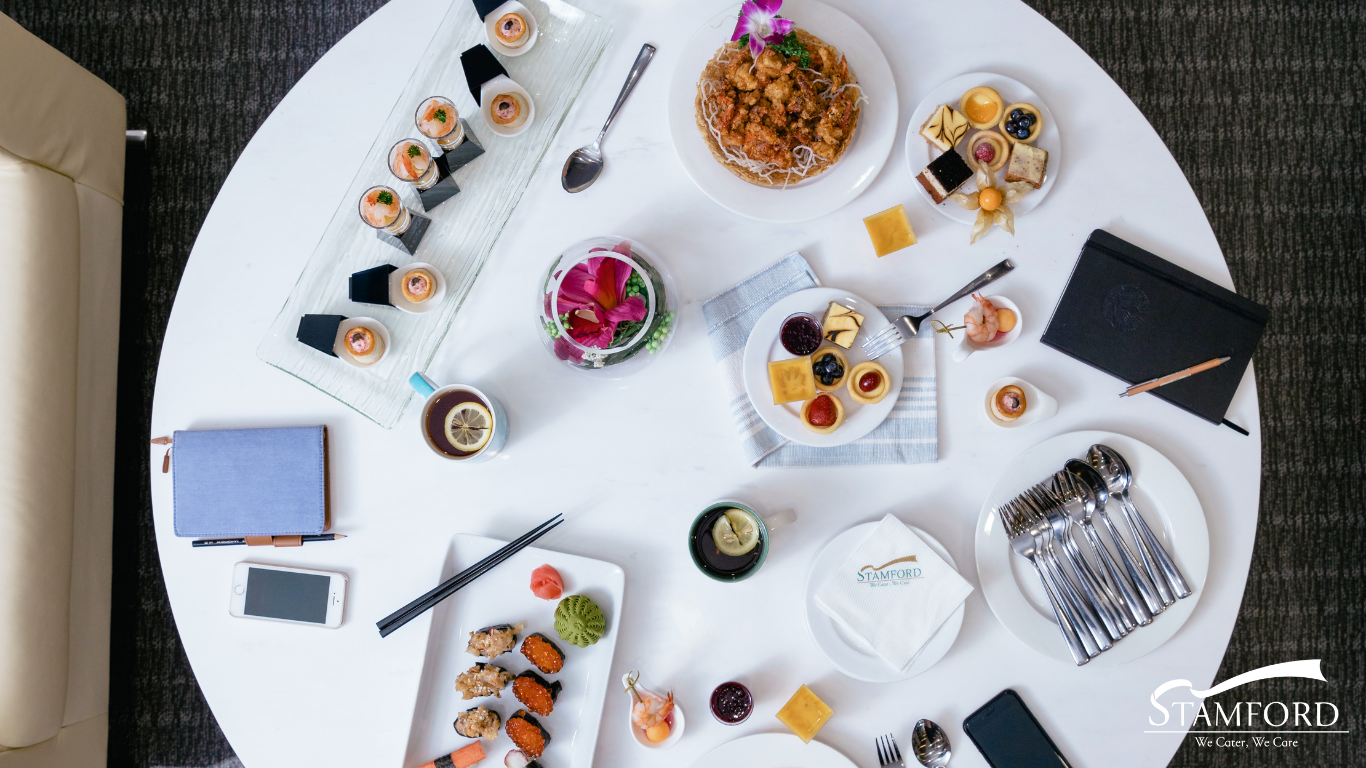
High Tea or Tea Reception Catering
Light bites designed for networking and afternoon events.
Live Stations
Interactive food setups that enhance engagement during events.
How to Estimate Catering Quantity for Your Event
Food quantity depends on event duration, guest profile, and meal timing.
- Lunch and dinner events typically require more portions since guests will be hungry
- Seminars may require lighter servings
- Always consider a buffer for unexpected guests
- Include vegetarian or dietary options
Key Details Event Planners Often Overlook
- Space for buffet setup
- Venue access timing
- Venue lift access
- Dietary labelling
- If service staff are rquired
- Guest flow around food stations
Questions to Ask Before Choosing a Caterer
- Is the catering halal-certified by MUIS?
- Does the package include setup and teardown?
- Are staff provided?
- What is the policy for last-minute changes?
- Are transport costs included?
Choosing the Right Format for Your Event
- Seminars: Bento boxes
- Networking: High tea buffet
- Office celebrations: Mini buffet
- Large events: Full Buffet
- Product launches: Full Buffet with Live stations
Conclusion
Halal-certified catering plays an important role in creating inclusive and well-organised corporate events in Singapore. With proper planning, it enhances both guest experience and operational efficiency.